Building
International Connections
Birmingham-Southern, Centenary, Hendrix and Millsaps Colleges wanted
to develop connections with institutions in Latin America. They collaborated
in a recruitment effort by bringing a small group of high school administrators
from the region to their campuses; each group learned more about the
other's culture and educational institutions. It was also a cost-efficient
way of strengthening international recruiting. Participants in this
program could help you think about strengthening connections with
people in other countries.
Intercultural
Transitions in a Liberal Arts Context
Carleton College has developed a Cross-Cultural Studies concentration
(minor), which focuses on the role of intercultural transitions as
part of a liberal arts education. Program administrators and faculty
can share with you a videotape and instruction booklet on intercultural
transitions they produced. They will share their experiences teaching
in the Cross-Cultural Studies concentration and demonstrate how intercultural
competency is an outcome that depends both on curricular and co-curricular
encounters, events, and knowledge.
Global
Semester Program
Short-term study-travel courses are becoming increasingly common.
Unless they are properly structured, however, such courses can only
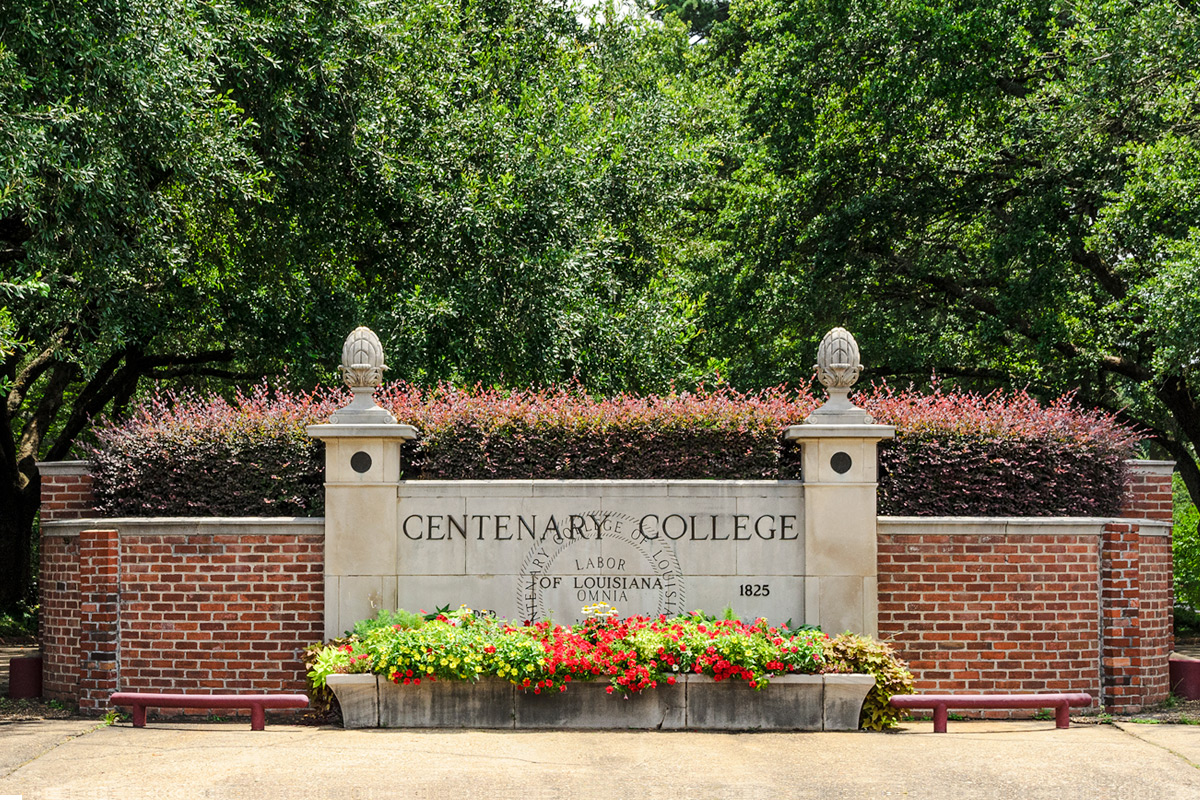
scratch the surface of the visited culture. Centenary College designed
a model in which regularly offered semester courses culminated in
a short-term overseas study experience. They can tell you how to enhance
courses with a follow-on trip.
Orientation
and Reorientation Programming
One of the keys to successful off-campus study is good orientation
and re-orientation. Several Global Partners efforts have looked at
ways to develop orientation and re-orientation programs.
*One brought together the off-campus-bound students of Monmouth and
Coe Colleges to create a critical mass for a good pre-departure program.
*Faculty at Rollins College have developed a two credit orientation/reorientation
course that is experiential and highly participatory, designed to
promote changes in student attitudes at the knowledge or cognitive
level, the emotional or affective level, and the behavior and action
level. Students are encouraged to learn about their own social identities
related to race, class, gender, and ethnicity and to think deeply
about how these identities may affect cross-cultural interactions
in the host country. The course relies on several theoretical models
that are presented and referred to throughout the course. Centre College
is working to incorporate some of this course material into their
predeparture orientation.
* Birmingham-Southern College brought together experts from across
the three consortia to identify best practices in the area of pre-departure
and reorientation programs. The symposium was designed to allow participants
to present models of varying types and within a workshop format to
develop a schematic that outlined the needs, goals and activities
of orientations in addition to identifying where orientations should
be considered in the institutional framework of the liberal arts college.
The schematic, a list of published resources and a narrative will
be made available to assist institutions in the development of best
practices in this area of study abroad. Any of these people could
help you develop a new or strengthen an existing pre-departure orientation.
Student
Symposium in Global Citizenship
Lake Forest College organizes an annual symposium on global citizenship,
to allow students to share their experiences abroad with the campus
community. There is also a keynote speaker who introduces concepts
related to global citizenship and applies them to specific cultural
contexts. This speaker is often involved in various meetings with
students and faculty during the course of the symposium week, and
attends the student presentations and gallery showing. Students studying
abroad are given global citizenship-oriented questions to reflect
upon while overseas and after their experience; upon their return
they present reports on issues of global citizenship as viewed in
different cultures, in a panel format with discussion. International
students on campus share their perspectives on their American experience
with the campus community, and give presentations on issues in their
own countries. Finally, all students who have had some experience
with another country are encouraged to submit visual materials (painting,
drawing, slide presentations, artifacts, text with photo, etc.) to
a gallery showing representing views of culture. The gallery showing
is held during the week of the symposium. Finally, the website highlighting
the symposium, linked to the College's study abroad page, is updated
yearly before and after the event, to inform the greater community.
Consultants from Lake Forest College will be pleased to discuss this
program, the planning involved, and its benefits to the College community.
Intercultural
Education and the Liberal Arts Tradition
Off-campus program directors from Denison and Southwestern Universities,
working with faculty from their colleges, have done some reading and
reflecting on the educational value of intercultural experience in
terms of the U.S. small liberal arts college tradition. They can share
with you what they've read and written, and encourage discussion about
the place of international education in the liberal arts curriculum.
Collaboration
in Creating Globally and Culturally Competent Citizens
Global Partners colleges have learned the benefits of collaboration
by sharing ideas and resources. DePauw, Earlham, and Wabash Colleges,
geographically close but with different strengths in international
education, combined these strengths to think systematically about
preparing globally and culturally competent citizens. They brought
together students, faculty, and administrators to explore the concept
of global citizenship, and developed collaborative on- and off-campus
projects. They can tell you about what they learned, including the
benefits and challenges of collaboration.
Intercultural
Education and Local Immigrant Communities
Immigration and refugee communities are changing American communities-including
communities around liberal arts colleges. How can these communities
be a resource for intercultural education? Macalester College organized
a conference about the growth and adaptation of a local immigrant
group. The conference raised major questions of relevance to the challenges
and achievements of immigrants to the United States, with a special
focus on what these questions mean for intercultural learning in the
liberal arts tradition. Consultants from this campus could help you
think about your local immigrant community and its role in your intercultural
education.
Recruiting
and Training Faculty for Taking Students Abroad
At
liberal arts colleges the faculty has significant responsibility for
leading off-campus study programs. In part because of generational
changes among faculty members, our colleges need more (and better
prepared) faculty to lead off-campus programs. Two experienced off-campus
program directors have developed a workshop about inspiring and training
to take students abroad. Their presentation includes the cross-cultural
and pedagogical character of study abroad, as well as some of the
nitty-gritty administrative responsibilities.
Off-campus
Study Opportunities for Science Students
Because of their structured courses and the importance of lab work,
students in the physical sciences rarely get opportunities to study
internationally. Some colleges and consortia, however, have developed
programs designed to meet the special needs of science students. The
leaders of these programs can describe their work and help you develop
programs for studying science internationally.
Disability Issues and Study Abroad
Colleges across the three consortia are working to increase the number
of their students that study abroad. In this work they must accommodate
students with medical issues, learning disabilities, or other concerns.
Several experts have developed a workshop to share their experiences
and best practices in dealing with medical and disability issues.
They can offer you suggestions for handling these challenges fairly
and effectively.